In the world of viral visual tests, few things capture attention quite like the idea that a simple image can reveal something deep about your personality. One of the most popular trends online today is the “first animal you see” illusion—an engaging psychological exercise that claims to uncover your biggest flaw based on your initial perception.
But is there any truth behind it? And why are millions of people drawn to these tests? Let’s explore the psychology, meaning, and entertainment value behind this fascinating visual phenomenon.
What Is the “First Animal You See” Test?
The concept is simple: you’re shown a complex image containing multiple animals hidden within it. Without overthinking, you’re asked to identify the first animal that catches your eye. According to the test, your immediate answer reflects a hidden aspect of your personality—often framed as your “worst flaw.”
While it may sound mysterious, this type of test is rooted in how our brains process visual information. The idea is that your subconscious mind prioritizes certain shapes, patterns, and meanings based on your experiences, emotions, and personality traits.
Why Your Brain Sees Different Things
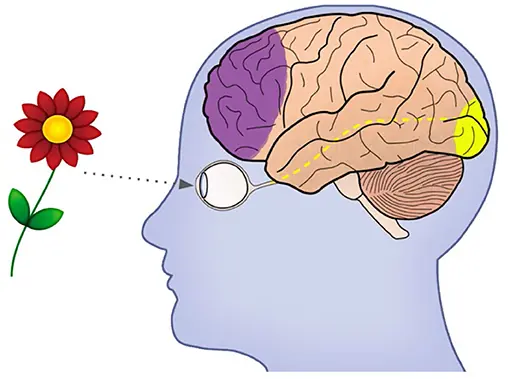
Human perception is highly selective. When you look at an ambiguous image, your brain quickly tries to make sense of it by focusing on familiar forms. This process is influenced by:
Past experiences
Emotional state
Personality tendencies
Cognitive biases
For example, someone who tends to be cautious might focus on details, while a more spontaneous person may notice bold or obvious shapes first.
This is why two people can look at the same image and see completely different animals within seconds.
What Your First Animal Might Say About You
Although these interpretations are not scientifically proven, they are often based on common personality associations. Here are a few examples of how such tests typically assign meaning:
Lion – Often linked to pride or a strong ego. You may be confident, but sometimes struggle with stubbornness.
Bird – Symbolizes freedom and independence, but could also suggest restlessness or difficulty committing.
Snake – Sometimes connected to secrecy or mistrust. You might be cautious about opening up to others.
Elephant – Represents wisdom and loyalty, but may also point to holding onto the past too tightly.
It’s important to remember that these interpretations are generalizations meant for entertainment rather than accurate psychological diagnoses.
The Psychology Behind Viral Personality Tests
So why do people love these tests so much?
The answer lies in a psychological concept known as the Barnum Effect (or Forer Effect). This refers to the tendency for individuals to believe that vague, general statements are highly accurate for them personally.