Some bugs make surprisingly good roommates. For example, many species of spiders can work as pest control while keeping to themselves. However, other insects are venomous or enjoy invading food supplies, beds, and house foundations. Phereoeca uterella is a type of moth that lives in tropical climates and eats a wide diet, including household items like wool and silk. As the summer heat rises, keep an eye out for these creatures, known as kamitetep in Javanese, and learn how to defend your home from them.
Plaster bagworms and household casebearers
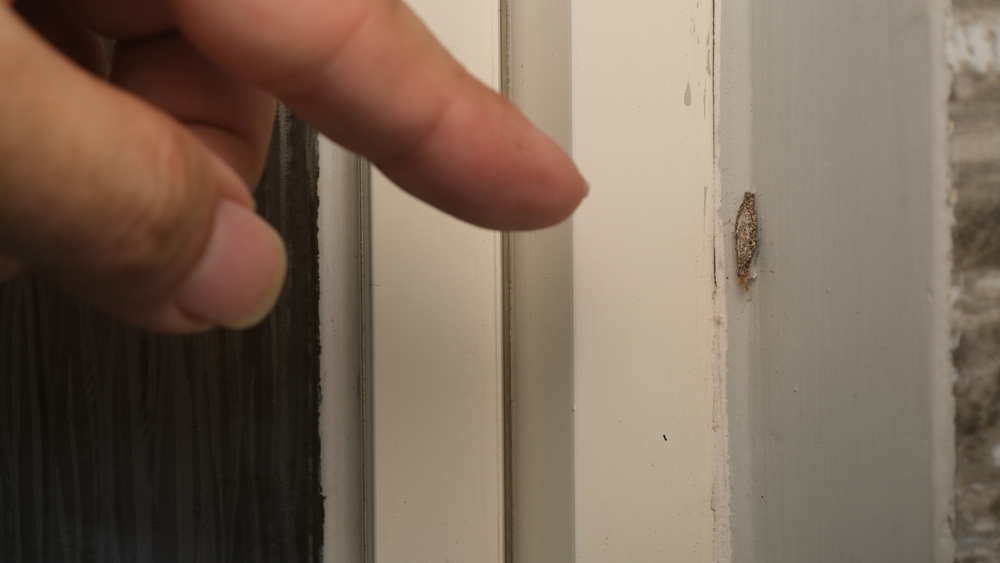
Kamitetep is at the forefront of etymological confusion. The moth species is in the family Tineidae, and is known officially as Phereoeca uterella. But they are commonly known as plaster bagworms and household casebearers. However, some experts claim that household casebearers are actually “Phereoeca allutella,” a completely different moth family from plaster bagworms. No matter the opinion, no one wants to find these moths setting up shop in their living space.
Kamitetep and their cases
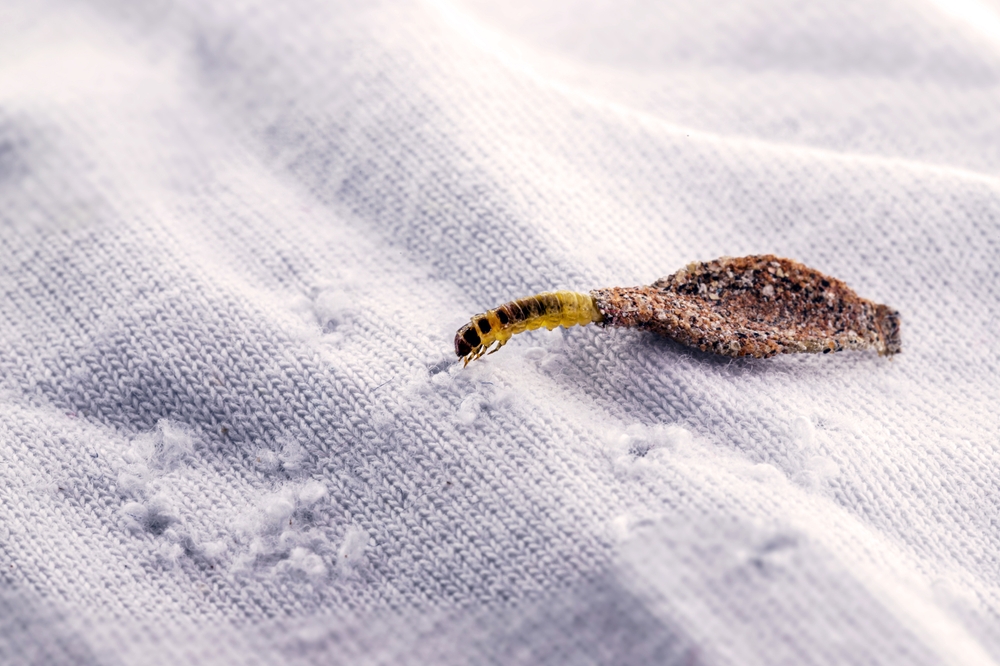
Ironically, kamitetep is more known for its larval stage than its adult moth stage. This is when they appear in gray, flat cocoon-like cases that the caterpillars carry around as a shield while they look for food. When it’s time, the caterpillar uses it as a pupal case while transforming into a fully-grown winged moth, explains EDIS. People may realize they have a bug problem after finding one of these cases with the developing moth inside. Or they may find it eerily empty. The cases camouflage well in gardens, making them harder to spot early.
Read More: 20+ Mosquito-Repelling Plants to Keep Your Yard Pest-Free
Life stages
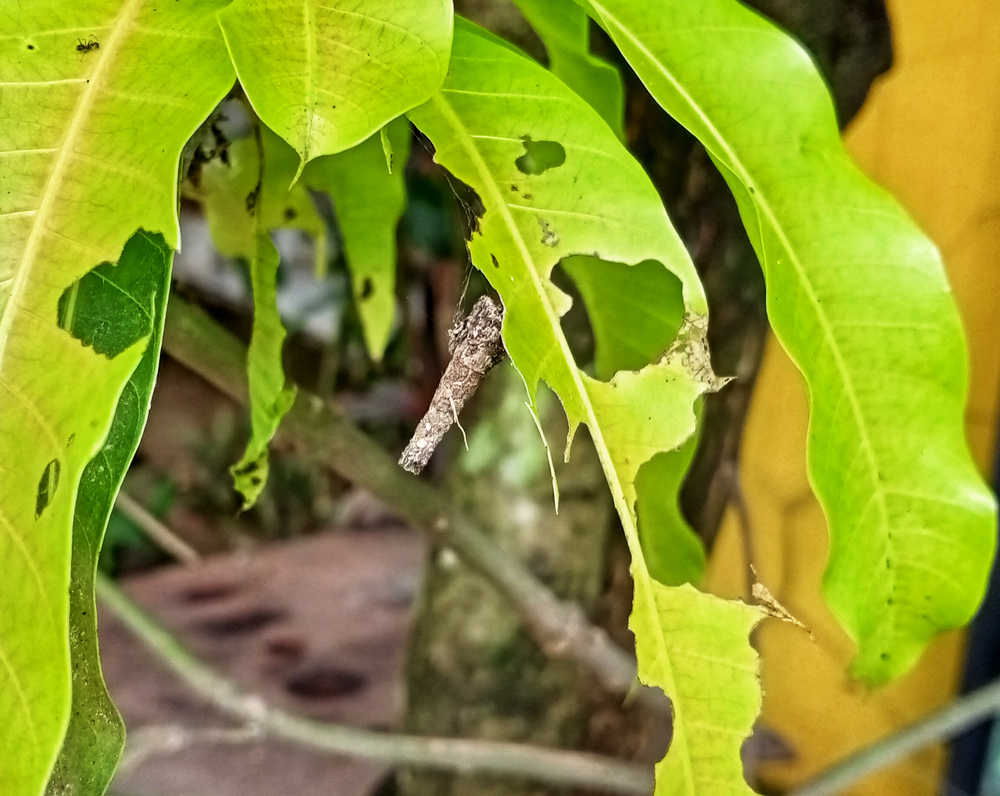
There are four life stages of these moths: egg, larva, pupa, and adult, according to Native Pest Management. First females lay tiny eggs in clusters in hidden locations to ensure their survival. Once they hatch, the larvae begin to feed and gather materials for their own cocoon-like structures. They will grow and molt a few times before turning into pupae. Pupae are harder to spot since they remain in their cases until they emerge as adults. Adult kamitetep grows to about half an inch in length, with tiny grayish-brown scales all over the body.
Diet
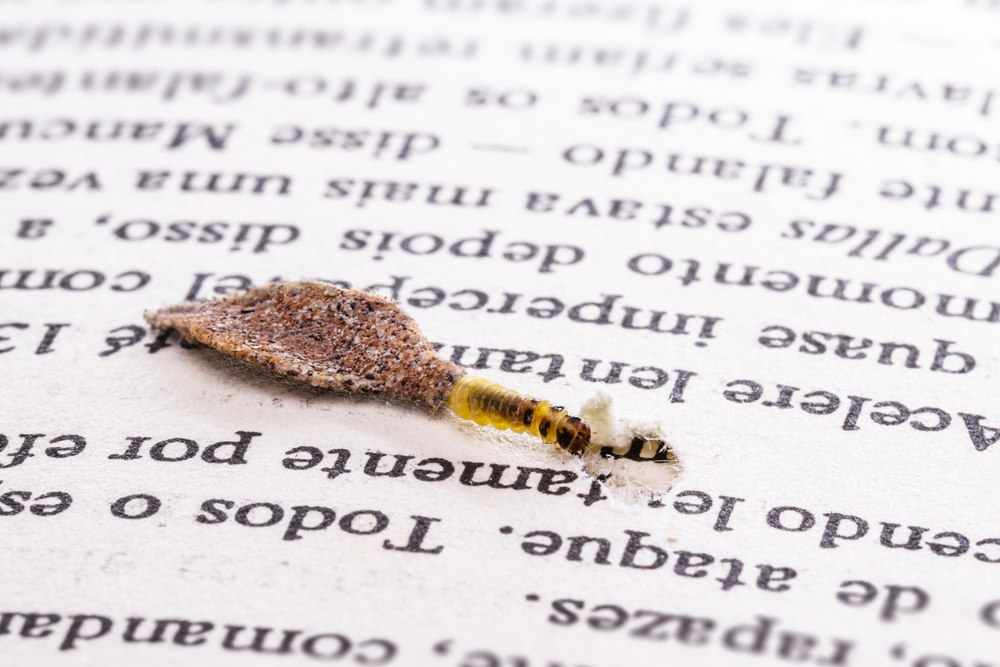
Since this species gravitates to heat and humidity, they are typically found in closets, basements, gardens, garages, and attics. There, they have a large supply of organic materials to consume. Their diet includes dust, feathers, wool, spiderwebs, hair, dead insects, lint, silk, paper, and plant debris. For some reason, they don’t seem to like cotton, says Free Malaysia Today. Unfortunately, they can chew through personal items like clothes, rugs, linen, and important documents, which is why kamitetep don’t make good roommates.